


Does House Rendering Improve Insulation? Energy Efficiency Benefits Explained
With energy bills climbing across NSW and Newcastle summers getting hotter year on year, homeowners are looking for practical ways to make their homes more comfortable without major structural overhauls. One question we hear constantly from clients across Newcastle and the Hunter is whether rendering actually improves insulation, or if it’s purely cosmetic. After more than a decade rendering local homes, our honest answer is yes, rendering can lift thermal performance, but how much depends entirely on the system you choose. Here’s what every Newcastle homeowner should know before signing a quote.
Does Rendering Improve Insulation on Its Own?
A standard cement or acrylic render adds a continuous layer between your walls and the outside world, which does provide some thermal benefit. By sealing porous brick or blockwork, render reduces air infiltration and minor heat transfer across the wall surface. On older Newcastle weatherboard-converted-to-brick homes we work on, even a basic render coat noticeably calms down draughts that owners had simply lived with for years. That said, a thin coat on its own will not turn a draughty home into a thermal fortress. The real insulation gains arrive when render is paired with an insulation board or installed as part of an external wall insulation system.
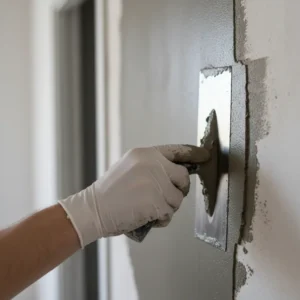
How Energy Efficient Rendering Systems Work
The most effective approach is an insulated render system. It works in two layers:
- An insulation board, commonly expanded polystyrene (EPS), is fixed to the exterior wall.
- A reinforced render coat is applied over the top and finished with an acrylic or silicone topcoat.
This sandwich wraps your home in a continuous thermal blanket. We’ve installed these systems on heritage brick cottages in Hamilton and on newer block builds out toward Maitland, and the comfort difference inside is something owners pick up on within the first week. If you are weighing up the render insulation benefits for an older brick home, a polystyrene cladding system typically delivers far better returns than render alone, because it also removes the thermal bridging at wall junctions that cavity wall retrofits tend to miss.
Real Energy Efficiency Benefits for Newcastle Homes
Newcastle’s climate swings between humid coastal summers and cool, damp winters, so the thermal performance render delivers works in both directions:
- Cooler summers: Reflective topcoats and the insulation layer reduce solar heat gain on west-facing walls, which cop the worst of the afternoon sun in our region.
- Warmer winters: Heat generated indoors stays inside longer, so heaters cycle less often.
- Lower bills: Most of our clients report a clear drop in heating and cooling use after the first full season in their newly rendered home.
- Smaller carbon footprint: Less energy use means lower emissions, which matters as NSW tightens energy ratings on existing dwellings.
There is also a moisture story worth a mention. A quality render system sheds water and reduces damp, which is genuinely valuable for coastal Newcastle properties exposed to salt-laden air, and it protects the underlying insulation so the wall keeps performing season after season.
Choosing the Right System
Not every render delivers the same energy gains. Here’s a quick guide based on what we recommend across Newcastle, Central Coast, and Hunter Valley jobs:
- Cement render: Affordable and durable, with modest thermal benefit. Best paired with separate wall insulation.
- Acrylic render: Flexible and crack resistant, with moderate thermal performance, and well suited to homes that move slightly with temperature swings.
- Silicone render: Breathable, water repellent, and a strong topcoat choice for full insulated systems.
- Polystyrene cladding with render finish: The gold standard for energy efficient rendering, particularly on solid brick or older block construction common across the Hunter region.
The right choice depends on your wall type, your budget, and how much you want to bring power bills down. From what we see on site, a proper inspection is the only way to know what’s realistic, because two homes on the same street can need very different systems once you check the substrate, orientation, and existing wall build-up.
The Bottom Line
So, does rendering improve insulation? Yes, particularly when paired with an insulation layer. Standalone render offers modest but useful gains, while a full insulated render system can turn an underperforming older home into a comfortable, energy efficient one. For homeowners across Newcastle, Central Coast, and the Hunter Valley, it’s one of the few upgrades that improves kerb appeal, weatherproofing, and running costs in a single project.

If you are unsure which system suits your walls, the smartest first step is a no-obligation chat with someone who has actually rendered hundreds of local homes. Get in touch with the Origen Projects team for a free on-site assessment and quote, and find out exactly how much comfort and savings the right render system can deliver for your home.