

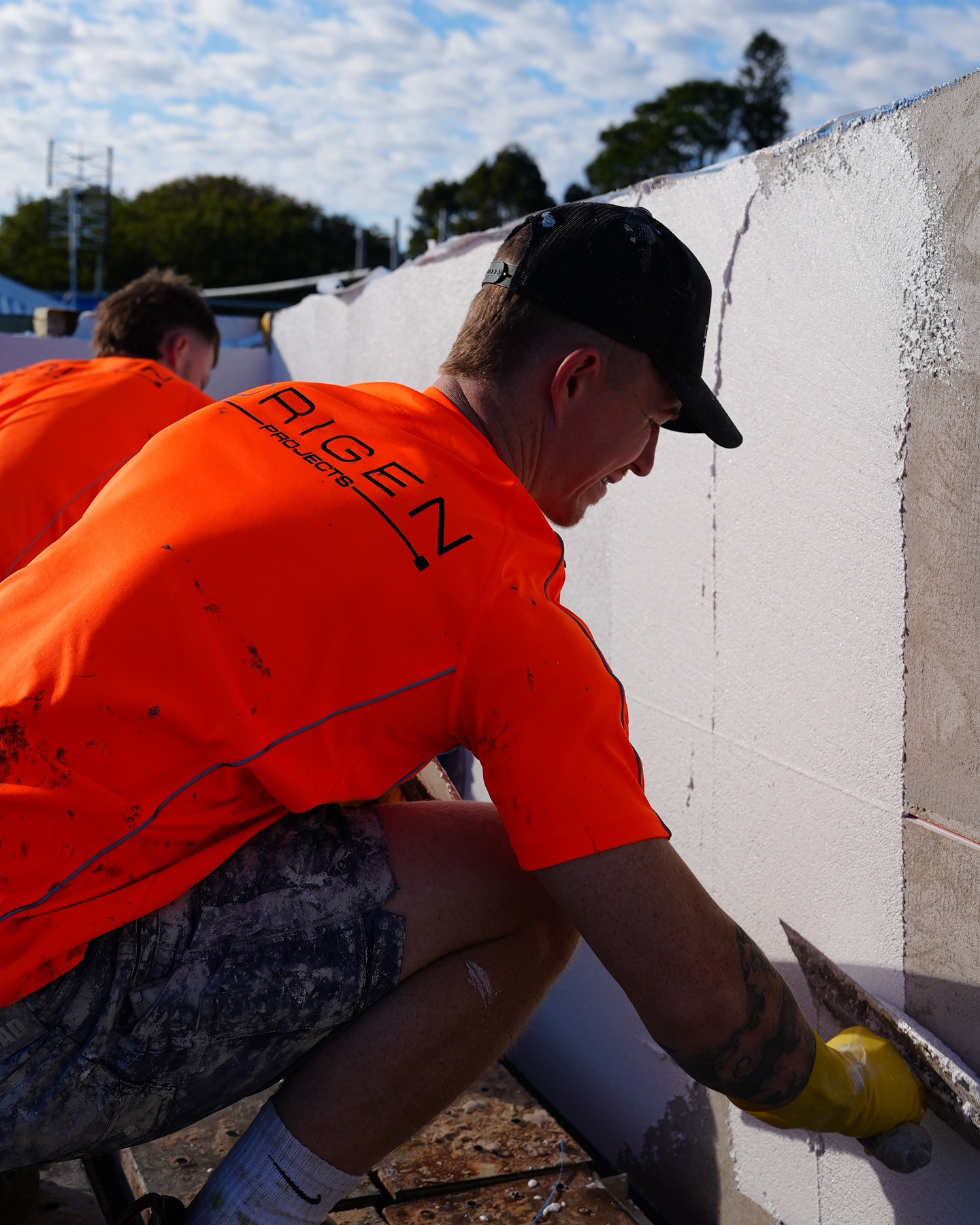
Can You Render Over Brick? What Homeowners Need to Know
If you’ve been eyeing your home’s tired brick exterior and wondering whether you can give it a fresh, modern look with render, you’re not alone. Many Australian homeowners ask the same question: can you render over brick?
The short answer is yes, absolutely. Rendering over existing brickwork is not only possible but also a popular renovation choice across Newcastle and beyond. However, the success of your project depends entirely on proper preparation, choosing the right materials, and understanding what your walls need.
At Origen Projects, we specialise in high-quality rendering solutions that enhance durability, style, and long-term value for Newcastle properties. Let’s walk through everything you need to know about rendering over brick so you can make an informed decision for your home.
Why Render Over Brick?
Before we dive into the how, it’s worth understanding why so many homeowners choose to render over brick in the first place.
Modern Aesthetic Appeal
Exposed brick can look dated or mismatched, especially if your home features a mix of brick colours or textures. Render provides a clean, uniform finish that instantly modernises your property’s appearance. Whether you prefer a smooth, contemporary look or a textured finish, rendering offers versatility that brick alone cannot match.
Enhanced Weather Protection
Australia’s climate can be harsh on exterior walls. Rendering adds an extra protective layer that shields your brickwork from moisture, UV damage, and coastal salt spray. This is particularly valuable in areas like Newcastle, where homes face both humidity and coastal conditions.
Improved Energy Efficiency
Render acts as additional insulation for your walls, helping regulate indoor temperatures. This means your home stays cooler in summer and warmer in winter, potentially reducing your energy bills over time.
Increased Property Value
A well-executed render job can significantly boost your home’s kerb appeal and market value. It’s an investment that pays dividends if you’re planning to sell or simply want to take pride in your property’s appearance.
Can You Render Over Any Type of Brick?
The good news is that most brick types can be rendered successfully. However, the condition and characteristics of your existing brickwork will influence the preparation required.
Solid Brick Walls
These are ideal candidates for rendering. Standard house bricks provide an excellent base for both cement and acrylic render systems, provided they’re structurally sound.
Painted Brick
Yes, you can render over painted brick, but it requires extra attention. The paint needs to be stable and well-adhered, or ideally removed. Loose or flaking paint will compromise the render’s adhesion, so proper preparation is critical.
Old or Weathered Brick
Rendering over old brickwork is one of the most common applications. In fact, it’s often the perfect solution for rejuvenating aged exteriors. The key is addressing any structural issues, loose mortar, or damaged bricks before applying render.
Smooth-Faced or Glazed Bricks
These present a challenge due to their low porosity and smooth surface. A bonding agent is essential to ensure proper adhesion between the brick and render.
Essential Preparation Steps for Rendering Over Brick
Proper preparation is non-negotiable when rendering over existing brickwork. Skipping steps here can lead to cracking, peeling, or render failure down the track.
1. Inspect and Repair
Start by thoroughly inspecting your brickwork. Look for cracks, loose mortar, damaged bricks, or signs of moisture problems. Any structural issues must be repaired before rendering begins. Repoint crumbling mortar joints and replace broken bricks.
2. Clean the Surface
Remove all dirt, dust, moss, algae, and efflorescence (white salt deposits) from the brick surface. A pressure washer works well for this, but use it carefully to avoid damaging the mortar. Allow the wall to dry completely before proceeding.
3. Remove Loose Paint
If your bricks are painted, scrape away any loose or flaking paint. While you can render over stable paint with the right bonding agent, removing unstable paint prevents future adhesion problems.
4. Apply a Bonding Agent
For smooth bricks, painted surfaces, or areas with low porosity, a bonding agent (also called a primer or adhesive) is crucial. This creates a surface that the render can grip properly. Follow the manufacturer’s instructions carefully.
5. Dampen the Wall
Just before applying render, lightly dampen the brick surface with water. This prevents the bricks from sucking moisture out of the render too quickly, which can cause cracking. The surface should be damp, not soaking wet.
Choosing the Right Render Type for Brick
Not all renders are created equal. The type you choose will affect durability, flexibility, appearance, and cost.
Cement Render
A traditional favourite, cement render combines sand, cement, and sometimes lime. It’s cost-effective and provides excellent durability for brick surfaces. Cement render works well on solid brick walls and offers a range of textured finishes. However, it can be prone to cracking if the building moves or settles, and it requires a longer curing time.
Acrylic Render
Acrylic render has become increasingly popular for rendering over brick, especially in coastal areas. It contains synthetic polymers that make it more flexible and crack-resistant than cement render. Acrylic render adheres well to various surfaces, including painted brick, and is highly resistant to moisture and salt exposure. It cures faster than cement render and often comes pre-coloured, eliminating the need for painting.
Which Should You Choose?
For most brick rendering projects in Australia, particularly in coastal regions like Newcastle, acrylic render offers superior performance and longevity. However, cement render remains an excellent choice for interior brick walls or when budget is a primary concern.

The Brick Rendering Process Explained
Understanding the rendering process helps you know what to expect, whether you’re tackling it yourself or hiring professionals.
Step 1: First Coat (Scratch Coat)
The initial layer is applied at about 6 to 10mm thickness. This coat is then scratched with a comb or similar tool to create grooves that help the next coat adhere. Allow this coat to cure for at least 24 to 48 hours.
Step 2: Second Coat (Float Coat)
Once the scratch coat is dry, apply the second layer at a similar thickness. This coat is smoothed with a float to create an even surface. Again, allow proper curing time of 24 to 48 hours.
Step 3: Final Coat (Optional)
Depending on the finish you want, a third coat may be applied. This is where you create your desired texture or achieve a smooth finish. Some renders, particularly pre-coloured acrylic systems, may only require two coats.
Step 4: Curing and Protection
Proper curing is essential for preventing cracks. Keep the render moist for several days by misting it with water, especially in hot weather. Protect the surface from direct sun and strong winds during this period.
Common Mistakes to Avoid
Even experienced DIYers can run into trouble when rendering over brick. Here are the pitfalls to watch out for:
✓ Skipping surface preparation is the number one cause of render failure
✓ Applying render in extreme weather (too hot, too cold, or rainy conditions)
✓ Using the wrong mix ratio for cement render
✓ Not allowing adequate curing time between coats
✓ Applying coats that are too thick, which increases the risk of cracking
✓ Ignoring underlying structural issues before rendering
Consider avoiding DIY rendering, as improper surface preparation and application can lead to cracking, moisture issues, and costly repairs.
When to Call in the Professionals
While rendering over brick is technically a DIY project, there are several situations where professional expertise is worth the investment:
✓ Your brickwork has significant damage or structural issues
✓ You’re working with difficult surfaces like smooth or glazed bricks
✓ The project involves multiple storeys or hard-to-reach areas
✓ You want guaranteed results with proper warranty coverage
✓ You lack experience with rendering techniques and materials
✓ Your project requires specific textures or high-end finishes like Venetian plaster or microcement
Professional renderers bring expertise in surface preparation, material selection, and application techniques that ensure long-lasting results. They also have the right equipment and understand how to work efficiently in various weather conditions.
How Long Does Rendered Brick Last?
With proper application and regular maintenance, rendered brick can last 20 to 30 years or more. Acrylic render systems typically last longer in Australian conditions due to their flexibility and weather resistance. The lifespan depends on several factors:
✓ Quality of surface preparation
✓ Type of render used
✓ Climate and weather exposure
✓ Regular maintenance and cleaning
✓ Structural stability of the building
Making the Right Decision for Your Home
Rendering over brick is an excellent way to transform your home’s appearance while adding protection and value. Yes, you can absolutely render over brick, but success depends on thorough preparation, choosing the right materials, and understanding the process.
For Newcastle homeowners looking to modernise their brick exteriors, the combination of proper technique and quality materials makes all the difference. Whether you choose cement or acrylic render, taking the time to do it right ensures results you’ll be proud of for decades to come.

If you’re ready to refresh your brick home with professional rendering services, contact Origen Projects for a consultation. Our team specialises in high-quality rendering solutions across Newcastle, delivering expert craftsmanship and finishes that stand the test of time.
FAQs
Is it safe to render over old or damaged brickwork?
Rendering over compromised brickwork is not recommended. Cracked, crumbling, or moisture-damaged bricks must be repaired first to ensure the render adheres properly and lasts longer.
Will rendering help waterproof my brick walls?
Render can improve weather resistance, but it is not a complete waterproofing solution. Proper sealing, drainage, and moisture control measures are essential to prevent damp issues.
Do I need professional help to render over brick?
Yes, hiring experienced professionals ensures correct surface preparation, suitable render selection, and proper application, helping avoid costly repairs and structural issues later.